Download Now
May 22, 2026

From Missed Calls to Structured Outcomes: Building a Guard-railed AI Voice Agent for Recovery Operations


Challenge Approach Results
  • Inbound calls were rising to a level agents may not have been able to properly address customer concerns
  • Missed calls meant missed opportunities to service customers and worsen customer experience
  • Manual documentation and follow-ups created latency and inconsistency
  • Add an AI voice “front door” for inbound recovery calls
  • Integrate with existing telephony + CRM systems using standard interfaces
  • Route intelligently: resolve what’s safe to resolve, escalate when it’s not
  • Higher inbound coverage during peak outbound dialing windows
  • 28.3% autonomous resolution rate
  • 665 calls handled in first month
  • 170 minutes estimated time saved

TL;DR

  • AI voice agent answered inbound recovery calls, captured intent, and logged structured outcomes.
  • The biggest win was consistent intake + clean handoffs, not “max autonomy.”
  • We built conservative guardrails: when in doubt, transfer.


📘 Definitions 

  • Autonomous resolution: Call ends with a structured outcome logged, without transferring to a human agent.
  • Transfer: Call routes to a human agent with a handoff summary and reason code.

Why we built it

Inbound volume was rising to a level agents may not have been able to timely service customers. Agents manage thousands of accounts. They conduct outreach, document arrangements, and follow up on repayment commitments. Frequent inbound interruptions can quickly reduce overall throughput.
We needed to increase inbound coverage (repayment questions, notices, and arrangement callbacks) without increasing context switching or weakening safety/compliance controls.

Goals
  • Improve inbound coverage during peak outbound dialing windows
  • Reduce agent context switching
  • Produce structured, operationally useful artifacts
Non-goals
  • Replace human recovery agents
  • Automate high-risk actions or policy exceptions

What we built (high level)

An AI voice agent that:

  • Answers inbound calls and gathers intent
  • Produces a structured outcome (summary, disposition, next steps)
  • Transfers to a human agent when policy, complexity, or borrower preference requires it
Systems used (apps + platforms)
  • Aircall (telephony + automations): We leveraged Aircall’s tooling and automation capabilities to power the inbound call “front door” and routing behavior.
  • Recovery knowledge base (internal): We built a knowledge base based on the Recovery Department’s day-to-day operations, workflows, and recovery processes to standardize intake and outcomes.
  • Zoho CRM (system of record): We integrated the agent with Zoho CRM, the primary platform used by our Recovery Specialists, to log structured outcomes and support handoffs.


Guardrails (decisioning)

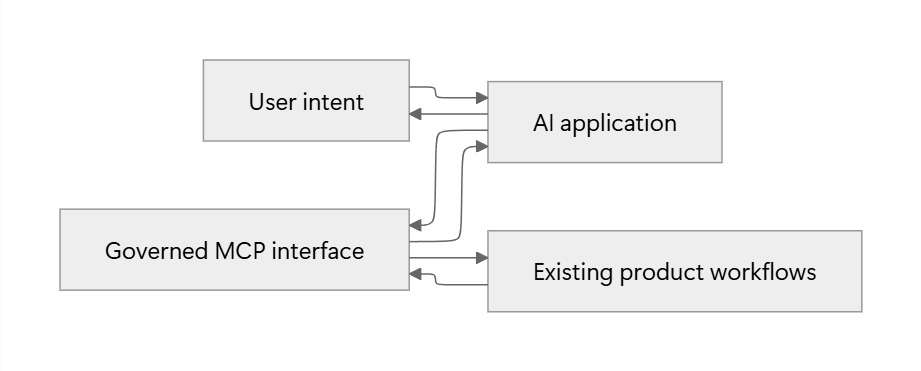
We treated the AI agent as an interface layer, not a decision-maker for high-risk actions.

We transfer when (examples): borrower asks for a human, ambiguity/low confidence, distress signals, policy exceptions, or identity mismatch indicators.

🧍Not a human replacement model: Recovery work still requires empathy, negotiation, compliance awareness, and judgment. The AI agent’s role is intake + structuring + routing so humans can focus on complex and high-stakes conversations


Results

Week 1 snapshot
  • Handled 120+ inbound calls
  • Captured borrower intent in real time
  • Reduced missed inbound opportunities during peak outbound windows
Month 1 metrics
  • Autonomous Resolution Rate: 28.3%
  • Call Transfer Rate: 45.5%
  • Goal Completion Rate: 63.6%
  • Total Calls Handled: 665
  • Estimated Time Saved: 170 minutes

These metrics helped validate two things at once: a meaningful slice of inbound interactions can be resolved safely without immediate human involvement, and transfers happen when escalation is appropriate (so borrowers still get a human when needed).


Lessons learned

  • In operational AI, bounded scope + reviewability beats cleverness.
  • A “good transfer” is often better than forced autonomy.
  • Structured artifacts unlock QA, reporting, and downstream workflow. They also reduce rework because follow-ups do not depend on manually reconstructing what happened on a call.

What’s next

  • Automated task creation from structured outcomes
  • Payment-link delivery within approved flows
  • Smarter routing and prioritization based on intent and urgency
  • Better analytics on missed-call rate and time-to-first-response

Closing

If you are building operational AI, start with bounded intake, structured artifacts, and first-class handoffs. Expand autonomy only after review proves correctness.